
OUR PLACE
A Sacred Landscape
The Line Creek Valley is a place where land, water, sky, and stories meet. For more than 5,000 years it has been home to Indigenous People, including Archaic, Hopewell, and Mississippian communities. Each contributed distinct lifeways, knowledge systems, and cultural traditions that shaped the long pre-contact history of the Missouri River region and its nearby tributaries.
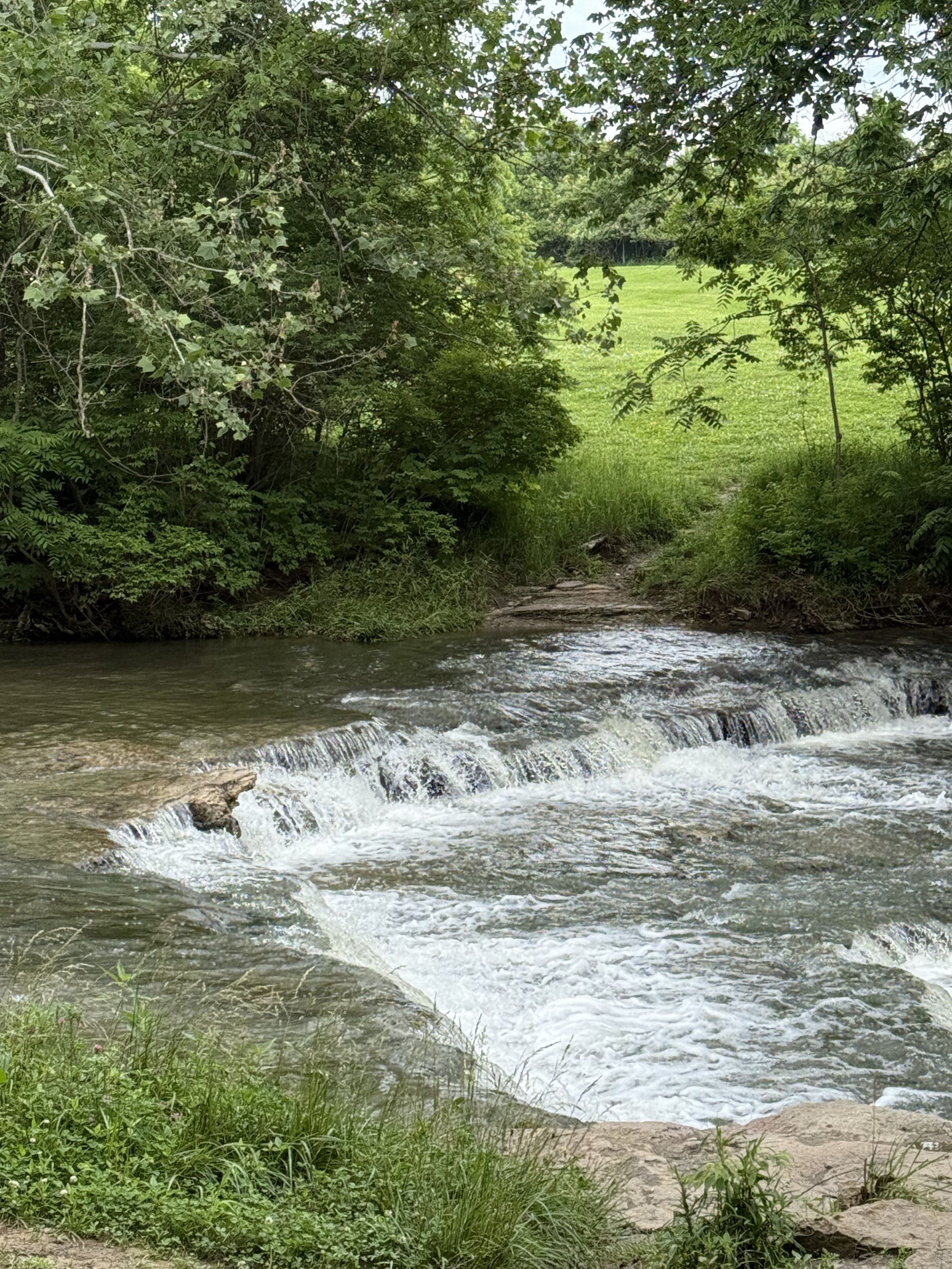
Line Creek is a tributary located in the northwestern portion of Kansas City, Missouri, within the Greater Kansas City Metropolitan Region, near the Missouri–Kansas border. The primary focus of the Thidaware Indigenous Americans Association is on the Frank Vaydik / Line Creek Park within the Line Creek Valley.
More than 2,000 years ago, Indigenous Hopewell communities lived along this creek corridor and within the Park for several centuries, from approximately 200 BCE to 500 CE. The Hopewell Culture was not a single tribe or nation, but a broad network of communities connected through shared ceremonial traditions, cultural practices, material exchange, and long-distance trade networks that extended across much of eastern North America. The best-known Hopewell ceremonial centers are located in Ohio, where the Hopewell Ceremonial Earthworks are recognized as a UNESCO World Heritage Site. The Hopewell-related communities within this area are often referred to as the Kansas City Hopewell.
An archaeological area of the Frank Vaydik / Line Creek Park has been listed on the National Register of Historic Places since 1970 in recognition of its significance to the scientific understanding of Indigenous cultural life in the region during the Woodland Period.
Today, Frank Vaydik / Line Creek Park remains a powerful reminder that Indigenous cultural history is embedded in the land itself. The Park continues to offer an important place for preservation, education, reflection, and renewed respect for the Indigenous Peoples whose stories are part of this landscape.